Stains
Deep discoloration that whitening cannot fully correct, without chasing another temporary whitening round.
Colombia Smile helps U.S. patients compare veneer types, understand what each material can do, and get a real plan reviewed by a dentist before they travel. When the case supports it, we lead with IPS Emax.
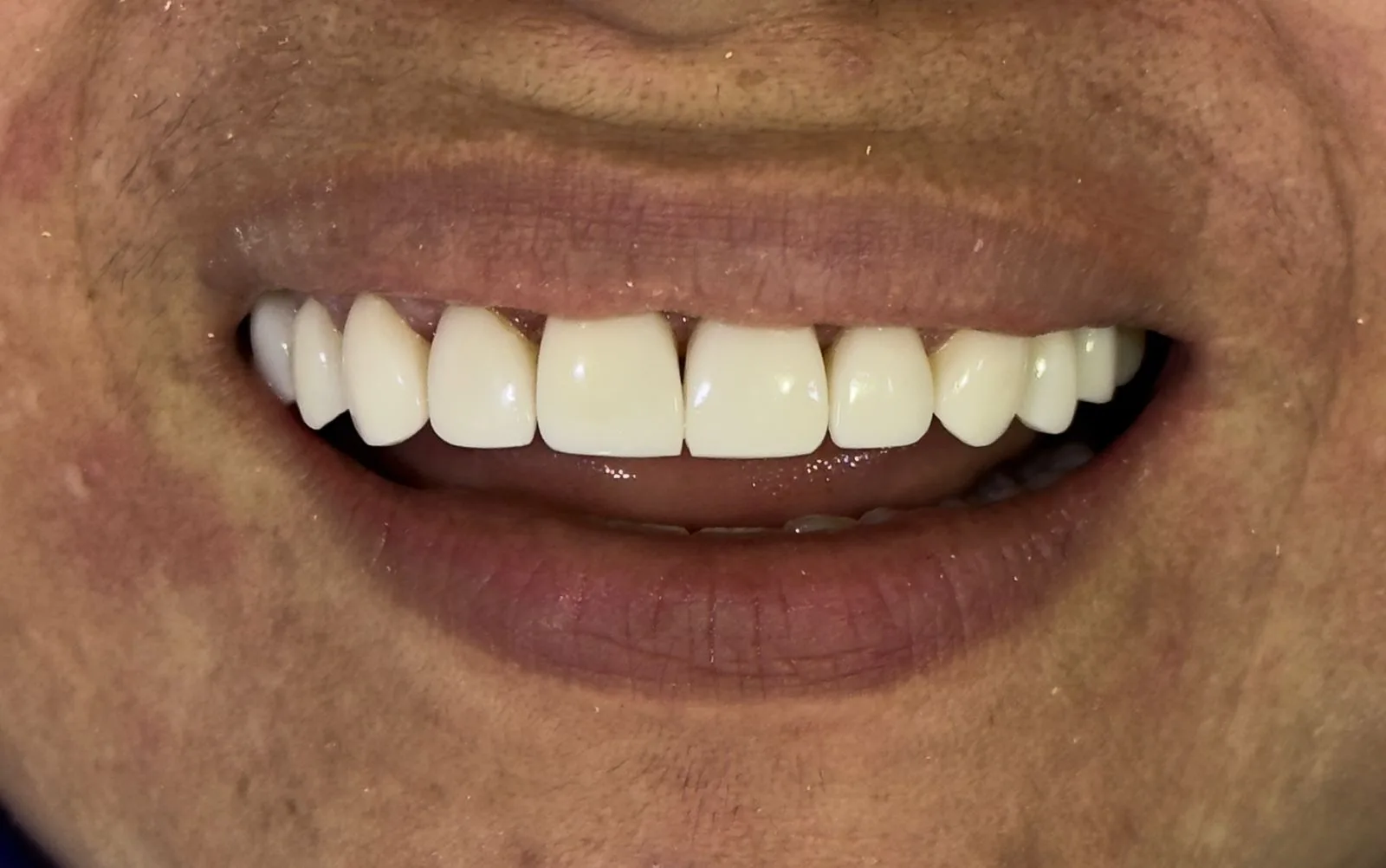
Material matters, but patients choose veneers because they want to feel different when they smile: brighter, cleaner, more balanced, and more confident.
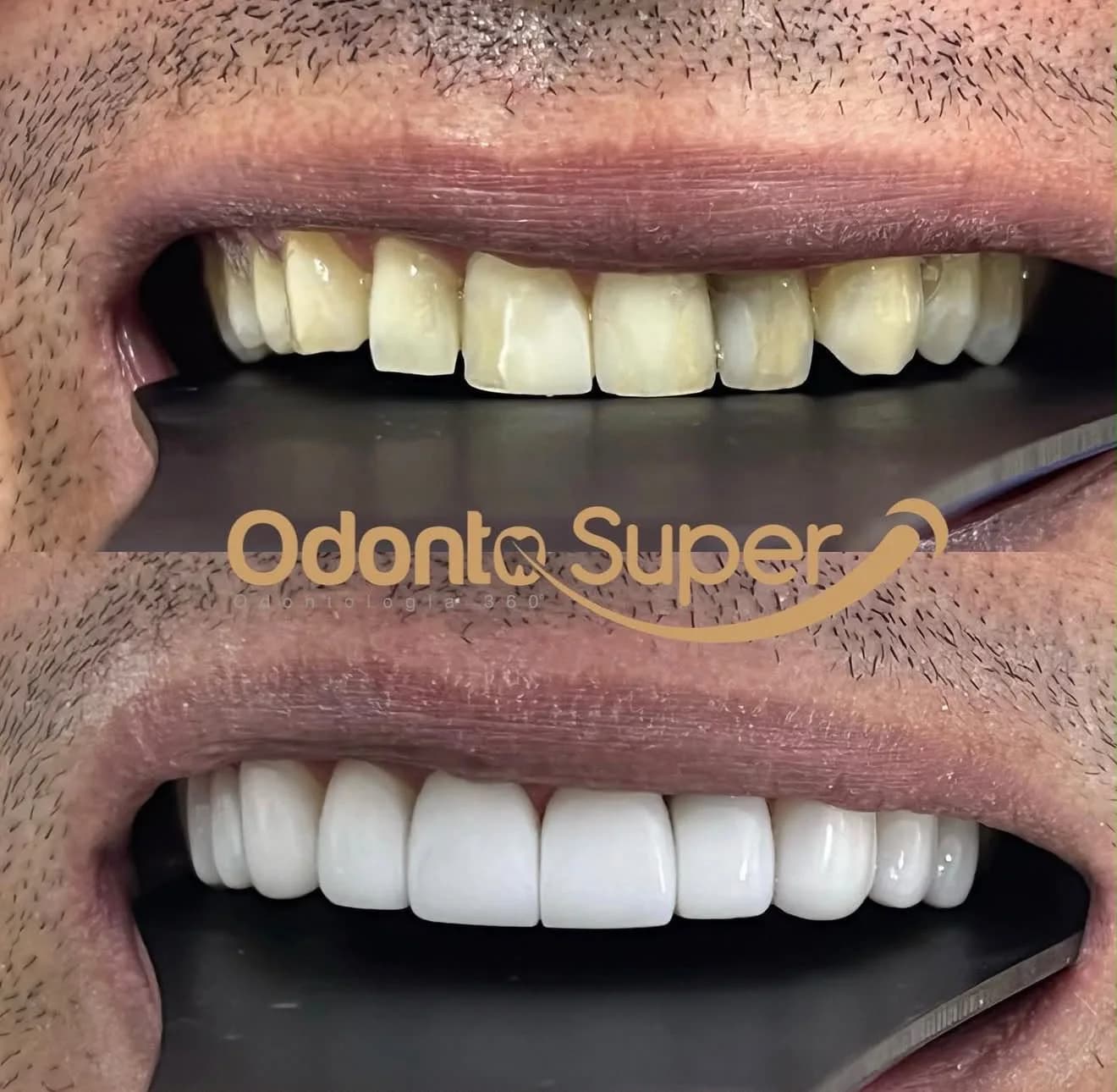
Deep discoloration that whitening cannot fully correct, without chasing another temporary whitening round.
Small fractures, worn edges, or teeth that make your smile look less polished in photos.
Spaces that interrupt the balance of your smile line and make the eye stop in the wrong place.
Teeth that feel too small, narrow, short, worn down, or inconsistent from one side to the other.
A whiter smile planned around your face, skin tone, and how natural or bold you want the result to feel.
A more balanced look across the teeth people actually see when you speak, laugh, and take photos.
Composite, porcelain, Emax, and no-prep veneers can all sound similar in a clinic quote. They are not. The right choice depends on the result you want, what your teeth can safely support, and how long you expect the smile to hold its polish.
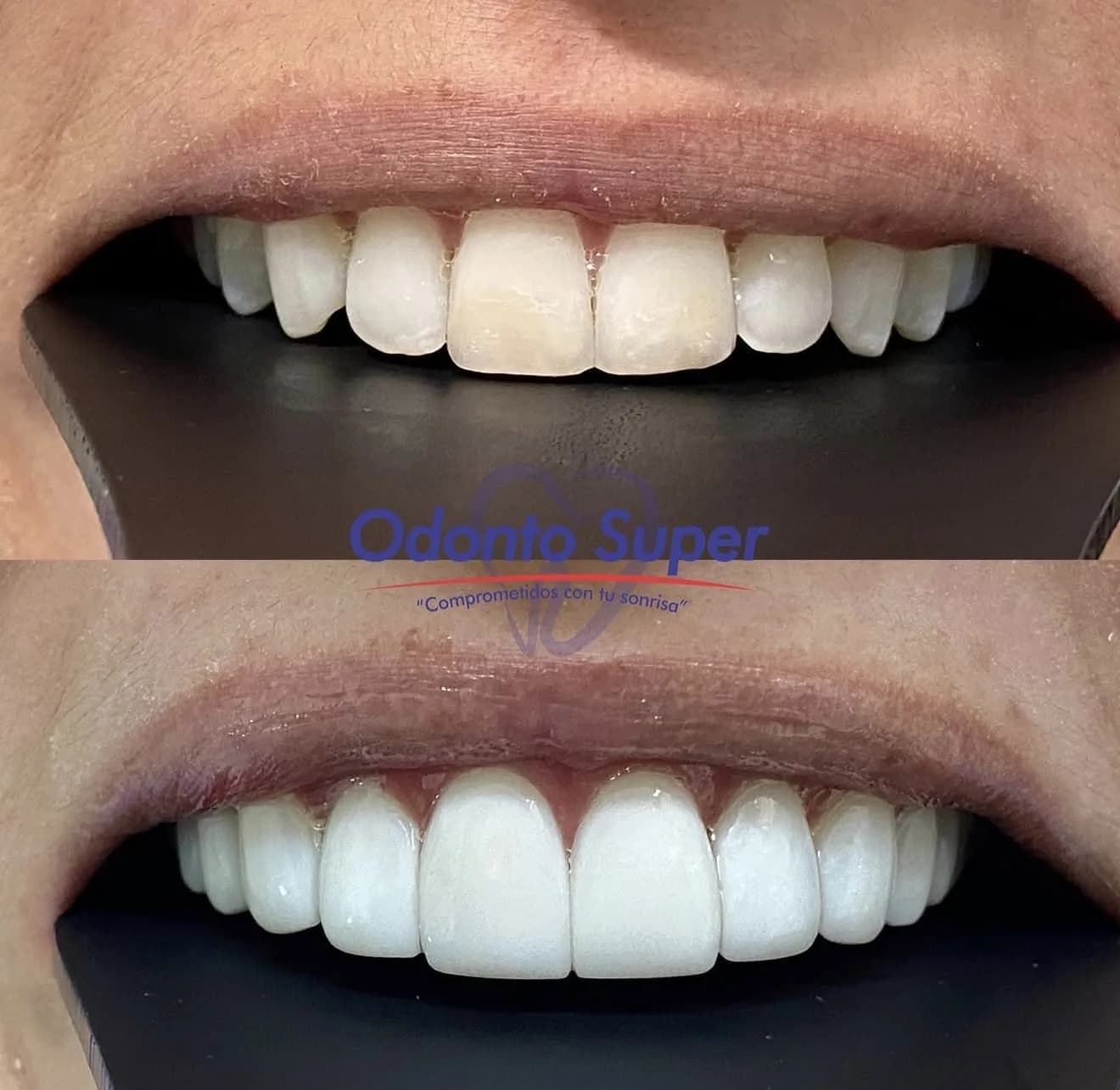
Resin shaped directly on the teeth. Composite can help with smaller fixes or tighter budgets, but it usually does not deliver the same polish, stain resistance, or long-term premium finish as ceramic veneers.
Thin ceramic shells made for a more refined smile transformation. This is the category most patients picture when they want a premium veneer result instead of a quick cosmetic patch.
A lithium disilicate glass ceramic known for strength, natural translucency, and a refined finish. This is the premium direction Colombia Smile leads with when it fits the patient. See the dedicated Emax veneers page for a deeper look at when it is worth it.
Some patients ask for no-prep or ultra-thin options because they sound easier. They can work in select cases, but they are not a shortcut. Tooth position, bite, shade goals, and final shape still decide whether they make sense.
Beyond the common options, a dentist may weigh other ceramics depending on your bite, goals, and what your teeth can support. The material should follow the diagnosis, not a sales pitch.
Covered in detail on the Emax veneers page.
Highly aesthetic and artistic in the right hands. Often selected for specific cosmetic cases where delicate layering, translucency, and custom artistry are the priority.
Very strong and useful in some restorative situations. It may be less ideal when your main goal is a lifelike veneer with natural light movement.
A lower-cost resin option already covered above. It can help in some cases, but it is usually not the premium full-smile direction.
Emax is not the cheapest direction. It is the premium one, and in the right case it supports a natural, bright, high-end smile. Here is the short version of why. For the full breakdown of when Emax is and is not worth it, see the Emax veneers page.
A licensed dentist still needs to review your case. The free consultation helps you understand whether Emax is likely to fit before you build a trip around treatment.
Emax can reflect and transmit light in a way that helps your smile look bright without looking flat, opaque, or fake-white.
The material is known for combining cosmetic translucency with durable ceramic performance when your bite, preparation, bonding, and design are handled correctly.
In the right case, Emax can support a refined design without automatically pushing the plan toward aggressive tooth reduction.
The clinic can plan brightness, translucency, edge detail, and facial harmony instead of giving every patient the same block-white smile.
A premium veneer process should feel planned, artistic, and clinically careful: define the smile you want, review your case, then choose the material and path that fit.
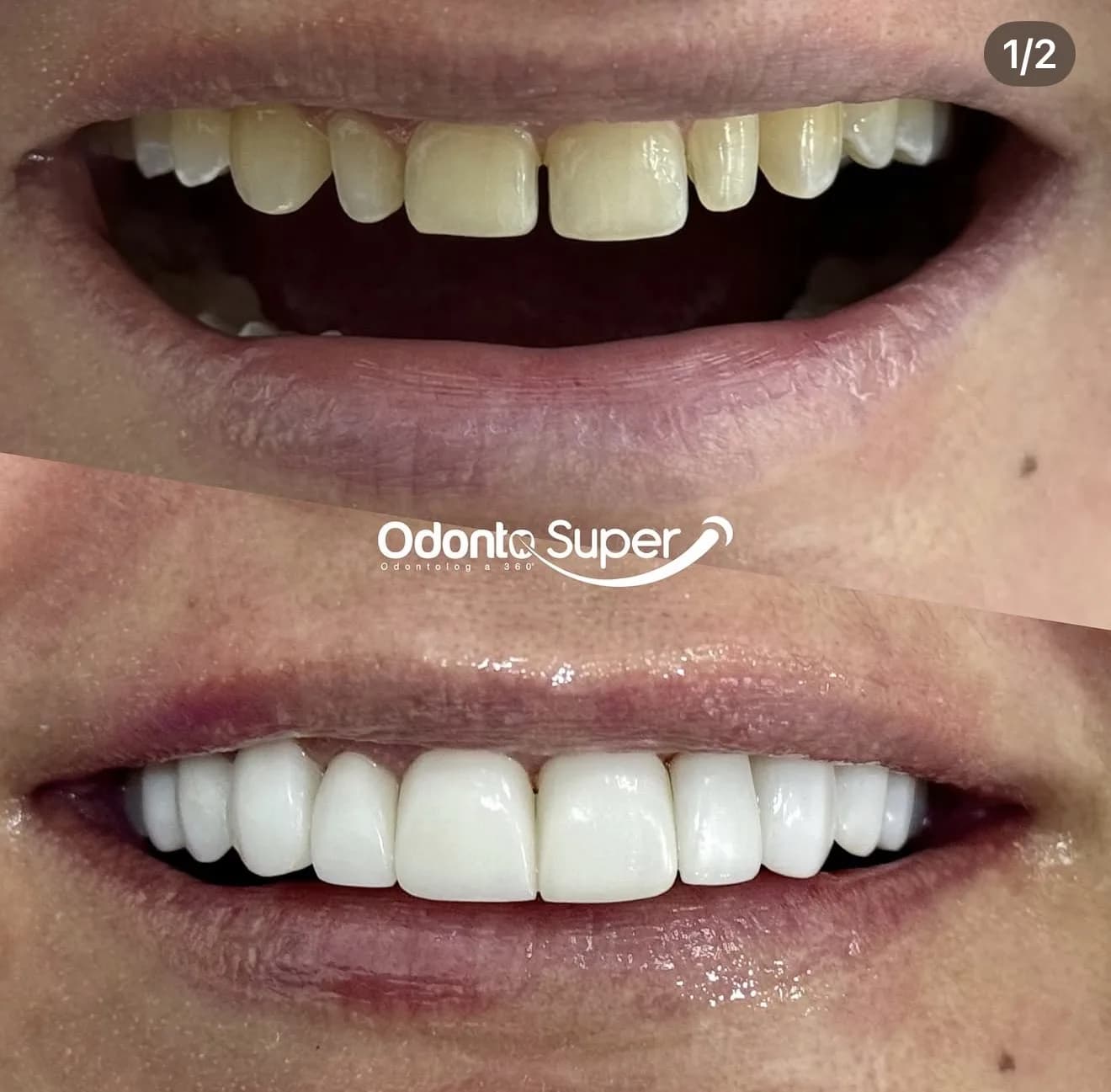
You define the look first: natural, brighter, softer, bolder, wider, more feminine, or more balanced.
The dentist reviews photos, bite concerns, gum health, existing work, and whether veneers are the right first step.
The team compares composite, porcelain, and Emax based on your teeth, goals, budget comfort, and expected result.
Tooth count, shape, brightness, smile line, and facial balance are planned before final treatment decisions.
If you are a fit, the clinical team prepares the teeth according to the treatment plan selected for your case.
The veneers are placed, checked, and reviewed so you understand care, follow-up, and what to expect after treatment.
A premium clinic does not tell every patient they need veneers. It explains who is a fit, who needs review first, and why the material recommendation should follow the diagnosis.
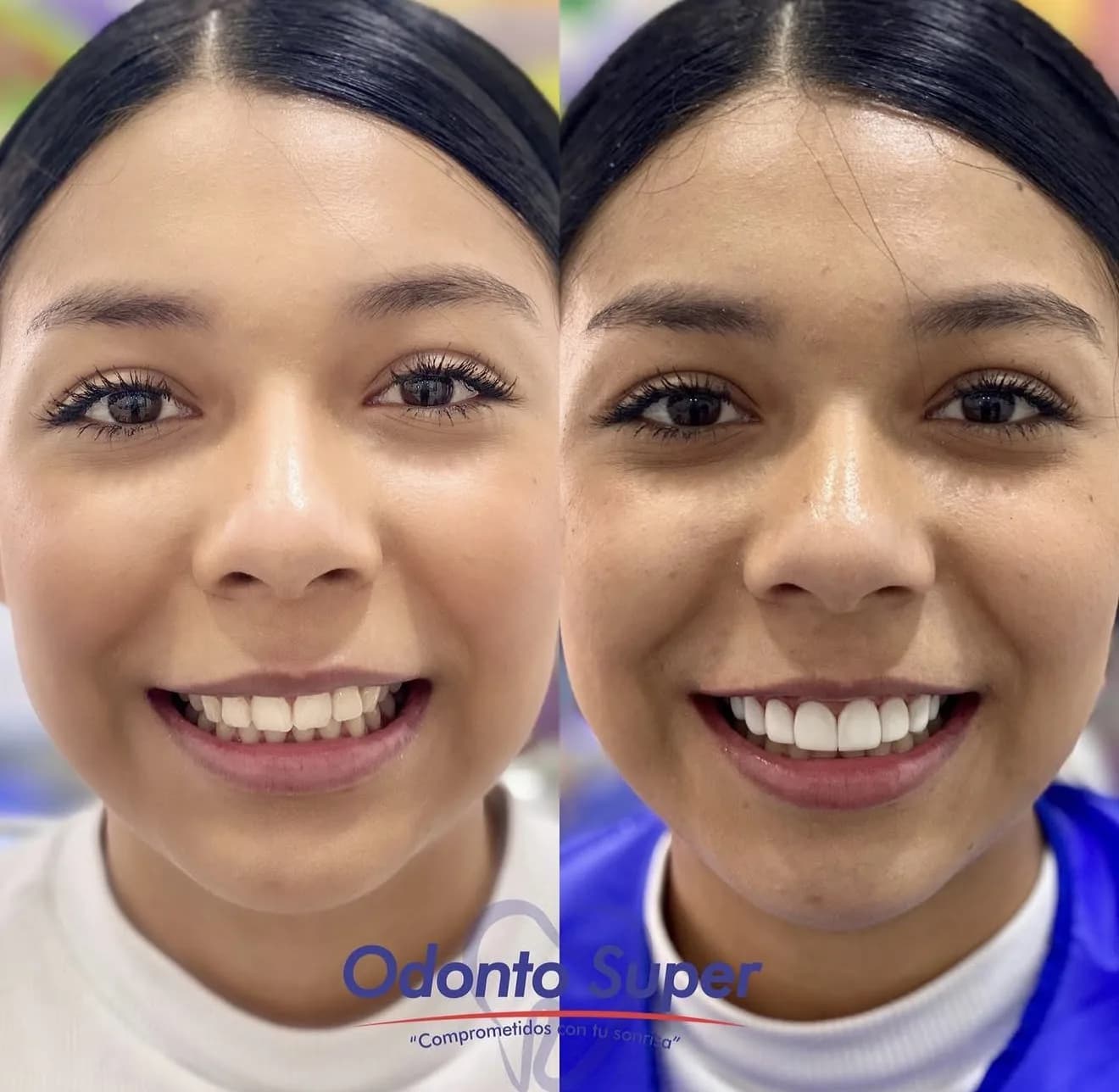
You want to improve color, shape, chips, gaps, worn edges, or mild visual unevenness, and your gums, bite, and tooth structure can support cosmetic treatment.
Active decay, gum disease, severe bite problems, heavy grinding, missing teeth, or major alignment issues may need a different plan before veneers.
Are veneers the right path for your teeth and the smile you want, and if so, which material creates the safest, best result?
These are the questions patients usually want answered before they book a consultation, compare a quote, or download the guide.
No. Emax is a premium ceramic system, but the best material depends on your teeth, bite, shade goals, and the dentist's review. The Emax veneers page covers this comparison in depth.
They should not if the case is planned correctly. Shade, translucency, shape, edge detail, and facial balance matter as much as the material name.
It depends on your smile width, visible teeth, goals, and whether you want a subtle enhancement or a full smile transformation.
With good care and a sound plan, quality ceramic veneers commonly last many years, though longevity depends on the material, your bite, and home care. A dentist will give you a realistic range for your case.
The goal is premium smile design with a clinic-led plan, private Medellin support, and a more accessible cost structure than many high-end U.S. cosmetic dentistry options.
You can get planning guidance before travel, but a final treatment plan depends on clinical review and the details of your case.
Use the free consultation to talk through your smile goals, veneer options, material fit, and what a dentist needs to review before a treatment plan is finalized.
Start with the result you want and the clinical fit. Compare price after you know what you are actually buying.
If you want to read before you talk, start with the cost and safety guide. It helps you compare pricing, safety questions, country tradeoffs, and what to ask before you send photos or book travel.
Use it to understand the questions behind the quote: material, clinic standards, travel logistics, and what should be reviewed before treatment decisions are made.