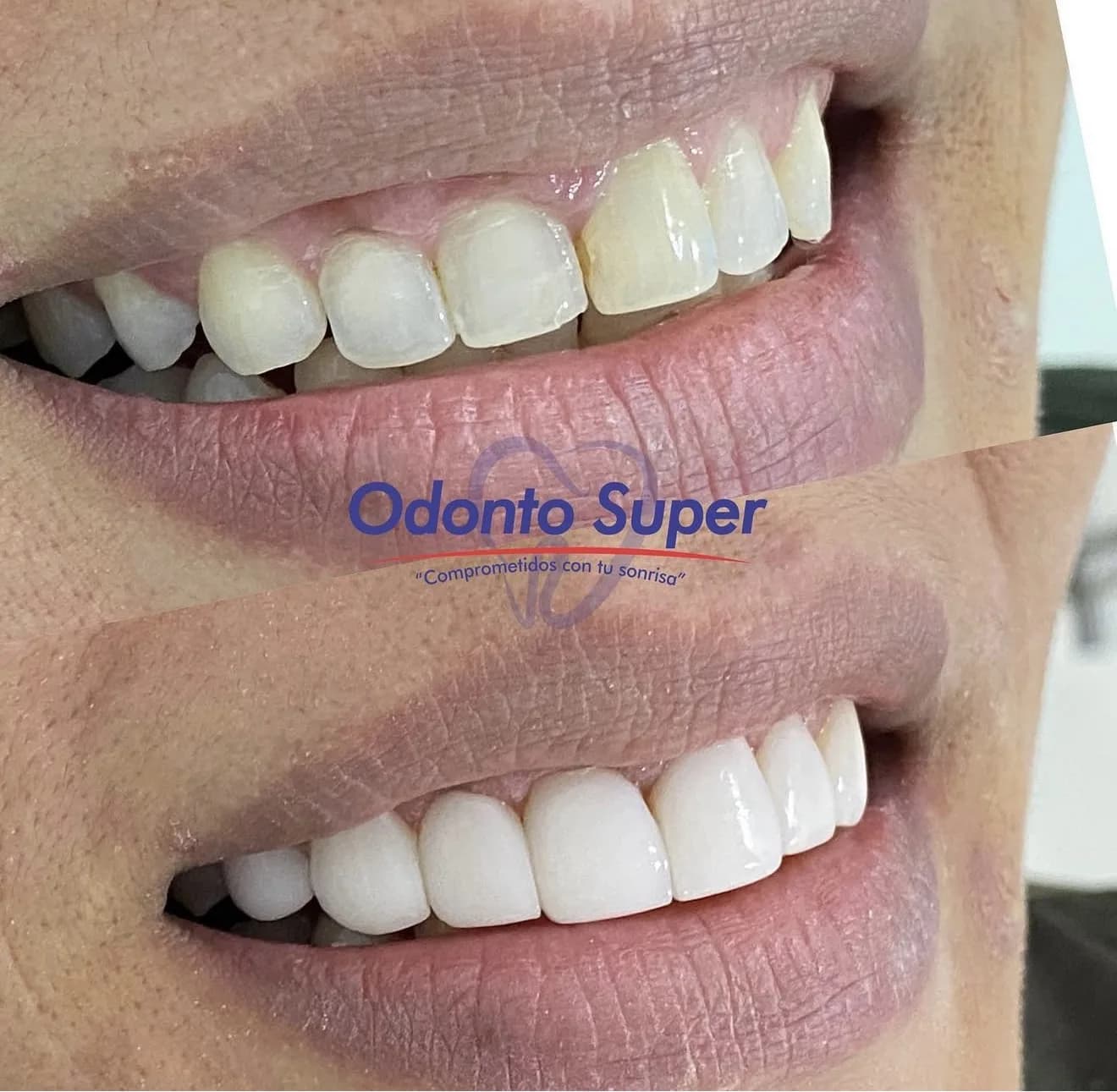
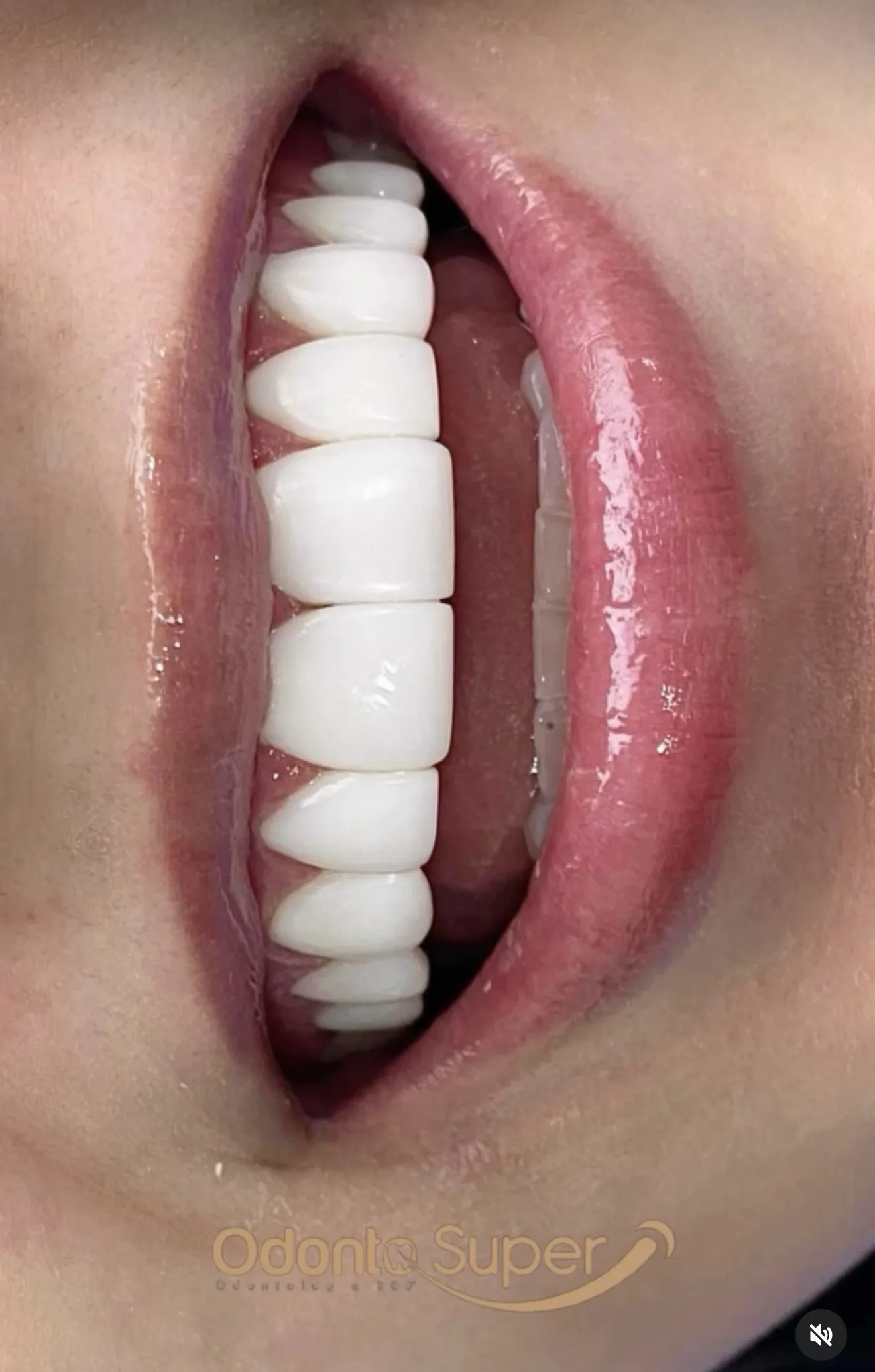
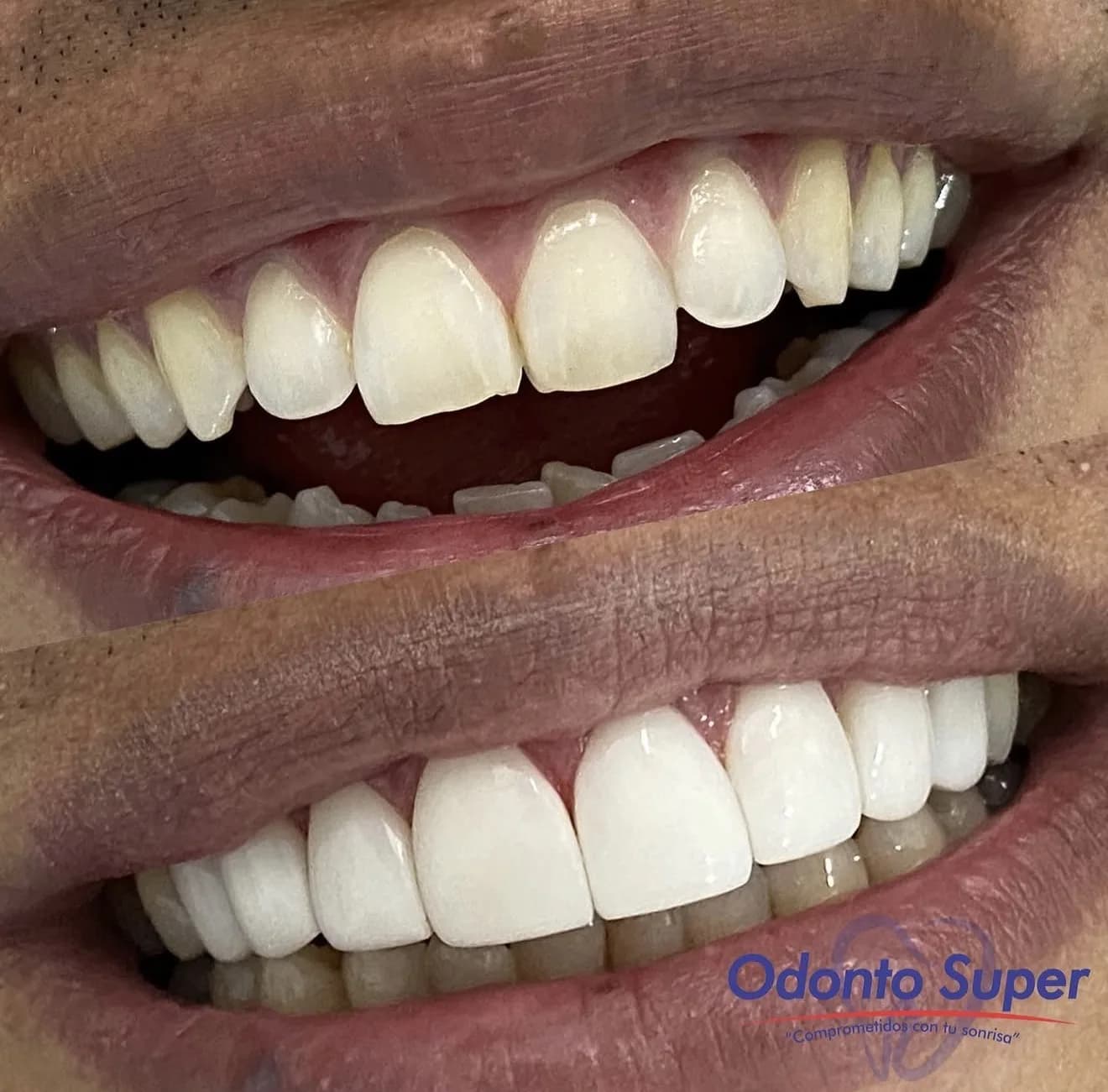
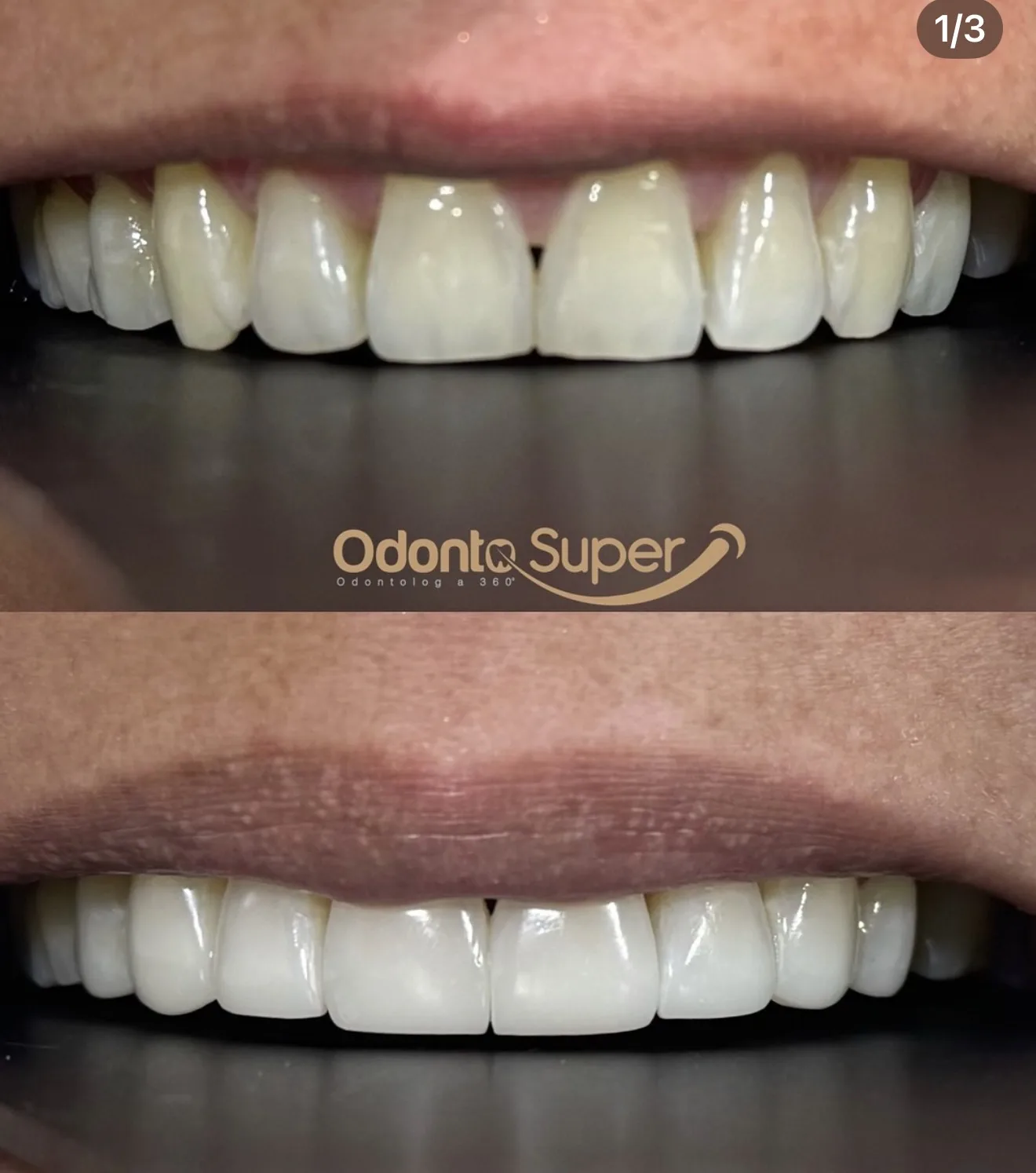
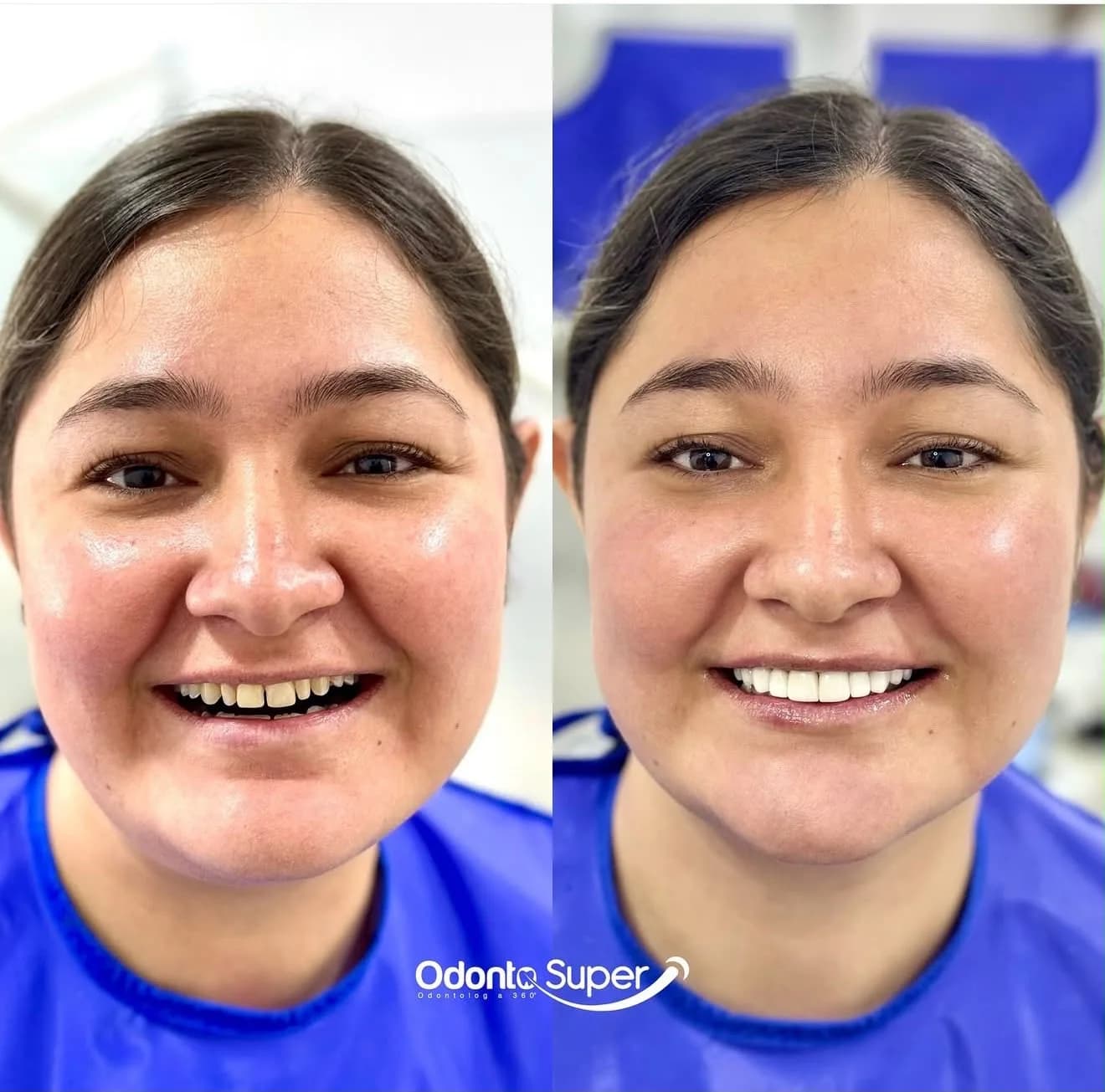
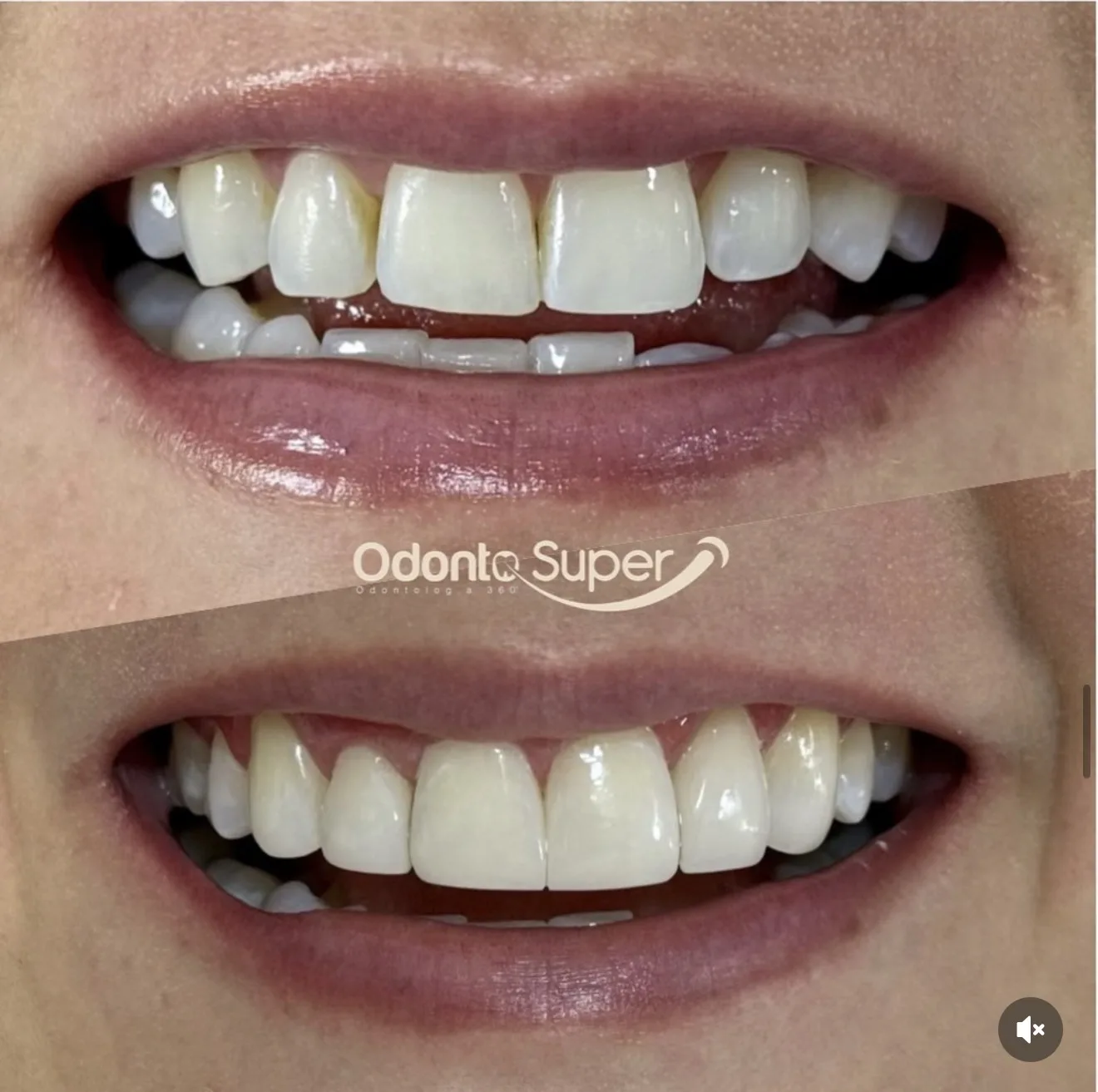
The material is built, not simply selected.
The ceramist layers porcelain powders and liquids to build shade, value, translucency, and edge character. That is why feldspathic is often discussed as an artisan material, not just a product name.
Feldspathic porcelain can create beautiful, lifelike results in the right front-smile case. It is also technique-sensitive, more brittle than Emax or zirconia, and not the default for every patient. This page explains where it fits and what a dentist should review before you choose.

Feldspathic porcelain is a traditional silica-based glass-ceramic dental porcelain. It is usually hand-layered by a ceramist from powder and liquid, then fired in layers. That makes it different from milled Emax and different from polycrystalline zirconia.

The ceramist layers porcelain powders and liquids to build shade, value, translucency, and edge character. That is why feldspathic is often discussed as an artisan material, not just a product name.
Emax is a lithium disilicate glass-ceramic often milled or pressed. Zirconia is a polycrystalline ceramic. Feldspathic porcelain is hand-layered, highly aesthetic, and more dependent on the ceramist and bonding conditions.
Feldspathic porcelain becomes credible when the case is favorable and the aesthetic goal is subtle, natural, hand-layered character. It is not the strongest material. It is the specialist option for select ultra-aesthetic cases.
Feldspathic porcelain can be hand-layered to mimic enamel, incisal translucency, subtle texture, and character. That makes it valuable for select front-smile cases where the underlying tooth color is favorable and the plan prioritizes artistry.
Because feldspathic porcelain can be layered very thin, a dentist may review it when enamel preservation and delicate shape changes are priorities. That does not mean minimal prep is possible for every patient. Tooth position, color, enamel, and bite still decide the plan.

The artisan advantage is control. A skilled ceramist can build small differences in opacity, brightness, edge translucency, and surface character instead of relying only on a uniform material blank.

Feldspathic porcelain should not be sold as the default premium answer. It is a specialist material for select cases where the clinical conditions and ceramist workflow support the aesthetic goal.
A credible feldspathic page should explain where it may be the wrong material. Heavy bite load, dark substrates, limited enamel, and technique-sensitive bonding can all point the dentist toward another plan.
Feldspathic porcelain is more brittle and less forgiving under heavy bite load than Emax or zirconia. A dentist should review grinding, bite force, edge-to-edge bite, and existing wear before recommending it.
If the underlying tooth is dark, heavily restored, or hard to mask, feldspathic porcelain may be too translucent. A dentist may review Emax, zirconia, crowns, whitening, or another restorative plan depending on the case.
Feldspathic veneers are highly technique-sensitive. The ceramist's layering, the dentist's preparation design, try-in handling, isolation, bonding protocol, and enamel availability all influence the outcome.
Active decay, gum disease, severe bite problems, heavy grinding, failing restorations, insufficient enamel, or major alignment issues may change the plan. A dentist should assess those factors before choosing any veneer material.
A 2024 systematic review found feldspathic laminate veneers had about 96.13% pooled survival at 10.4 years, similar to lithium disilicate. The same review also found a higher long-term complication rate for feldspathic veneers than lithium disilicate. Both facts belong together.
The 2024 systematic review reported about 96.13% pooled survival for feldspathic laminate veneers at 10.4 years. That should be used as evidence context, not as a guaranteed patient outcome.
The same review found a higher long-term complication rate for feldspathic veneers than lithium disilicate. That is why the page does not present survival alone as the whole story.
An older 2012 meta-analysis estimated about 95.7% survival at 5 years, with broad variation at longer follow-up. It is useful as older context, not a current guarantee.
This page does not use older very long-term feldspathic longevity figures because those sources were flagged as unverified in the research review.
The favorable 2024 feldspathic survival figure belongs beside the complication caveat from the same review. The responsible reading is not that feldspathic is better for everyone. It is that outcomes depend on case selection, preparation, bonding, bite load, ceramist skill, and care.
This section is not a diagnosis. It is a practical way to understand what the dentist will check before feldspathic porcelain is recommended, compared, or ruled out.
Feldspathic porcelain may be worth discussing when the goal is subtle translucency, enamel-like edge detail, and delicate character in the visible smile zone, especially when tooth color and enamel are favorable.
A strong enamel bond matters. A dentist will review tooth position, enamel volume, old restorations, shade goals, and how much tooth reduction would be needed before recommending feldspathic porcelain.
Bruxism or heavy loading does not automatically rule out every veneer plan, but it can make feldspathic porcelain less suitable than Emax, zirconia, or a different restorative approach.
Very dark substrates, large restorations, or significant shape and position changes may require a different material or treatment sequence. The dentist should decide after reviewing photos and clinical details.

Counterfeit, gray-market, and non-compliant dental products are a documented global issue. For feldspathic porcelain, trust also means clarity about the porcelain system, the ceramist, the case workflow, veneer thickness, enamel preservation, and bonding protocol.

Raise the risk honestly. Verify it everywhere. Then show how the clinic answers. For feldspathic porcelain, that means explaining the porcelain system, hand-layering workflow, ceramist role, enamel preservation, and bonding protocol in plain English.
This page does not need new price figures. The honest cost story is that feldspathic porcelain is premium and artisanal. Cost is driven by ceramist labor, lab skill, planning complexity, tooth count, enamel preservation, bonding demands, and what your case requires.
Composite is usually lower-cost and repairable, but it is more prone to staining, chipping, polish loss, and maintenance. Feldspathic porcelain belongs in a premium material discussion when the case calls for artisan ceramic layering.
Emax, zirconia, and feldspathic porcelain can all sit in premium fee ranges. Feldspathic is premium because of ceramist artistry and technique sensitivity, not because it is the strongest material.
Specific numbers should come from the approved cost guide and the case review, not invented ranges. See the cost comparison page for the current illustrative figures.
Colombia Smile can review feldspathic porcelain when the case calls for ultra-aesthetic hand layering. The same consult can compare it against Emax, zirconia, and composite so the material follows the diagnosis.
A lithium disilicate glass-ceramic often reviewed when the case needs a balance of strength, translucency, and adhesive bonding. Read the Emax veneers guide for the flagship material page.
A polycrystalline ceramic often reviewed when strength or masking a dark substrate is the bigger concern. Read the zirconia veneers guide for the strength and masking page.
Composite is usually lower-cost and repairable, but it stains, chips, loses polish, and needs more maintenance. It is useful as an honest comparison, not the premium material direction we lead with.
The consult is where the material decision becomes personal: what your enamel can support, how natural you want the smile to look, how much masking is needed, and whether the ceramist workflow fits the case.
Feldspathic porcelain is a traditional silica-based glass-ceramic dental porcelain. It is usually hand-layered by a ceramist from powder and liquid, then fired in layers. That distinguishes it from milled Emax and from polycrystalline zirconia.
They can be among the most natural-looking options in select cases because a ceramist can hand-layer translucency, color, edge detail, and surface character. They are not automatically best for every patient. Tooth color, enamel, bite, goals, and ceramist skill all matter.
A 2024 systematic review found feldspathic laminate veneers had about 96.13% pooled survival at 10.4 years, similar to lithium disilicate, but the same review also found a higher long-term complication rate than lithium disilicate. That evidence should be used with case-specific caveats, not as a guarantee.
No. Feldspathic porcelain is valued for hand-layered aesthetics, not maximum strength. It is more brittle and less forgiving under heavy bite load than Emax or zirconia, so a dentist should review bite forces and case conditions first.
A good-fit discussion may include patients with favorable tooth color, enough enamel for bonding, low-to-normal bite load, and an ultra-aesthetic front-smile goal. A dentist still needs to assess the case before recommending it.
Ask which porcelain system is used, whether the veneer is truly hand-layered, who the ceramist is, how thin the veneer will be, how much enamel is preserved, and what bonding protocol will be used. Colombia Smile welcomes those questions during the consultation.
The better question is whether feldspathic porcelain is right for your enamel, tooth color, bite, ceramist workflow, and the smile you want. Use the consultation to pressure-test that before you plan treatment abroad.
Book the consultation for a case-specific discussion, or download the guide if you are still comparing materials, costs, safety questions, and clinic standards before you talk to anyone.